Women's History Month Lesson Ideas for Middle and High School ELA
 Andy Navarro · Seasonal & Holiday · · 2 min read
Women's History Month activities for grades 6–12: nonfiction reading, primary source analysis, speech and rhetoric study, research profiles and argument writing about women who changed history.
March is Women's History Month in the United States. In an ELA classroom, it's a natural fit for nonfiction reading, research and argument writing, and it works best when students meet women from many fields and backgrounds, not the same three names every year.
Nonfiction reading with a purpose
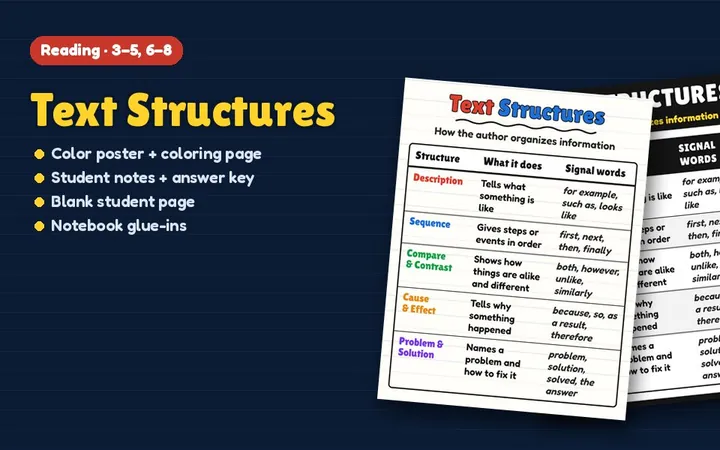
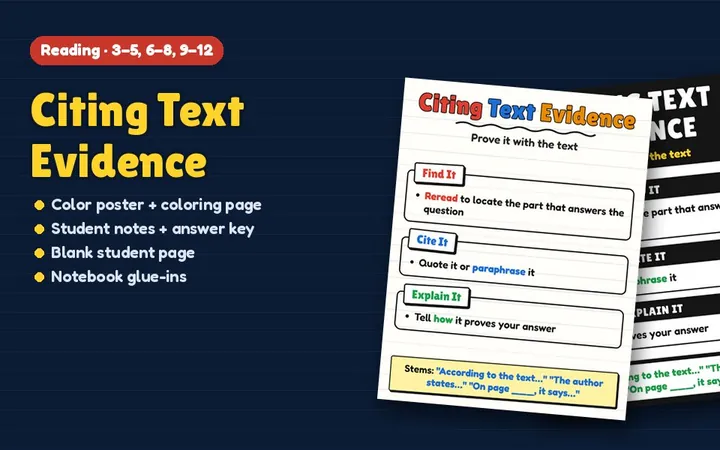
Pick short articles about women in science, sports, politics, the arts and business. Students identify the text structure (problem and solution, cause and effect, chronological), then find the central idea and two pieces of evidence. Rotating articles each day exposes students to many different stories.
Primary source analysis
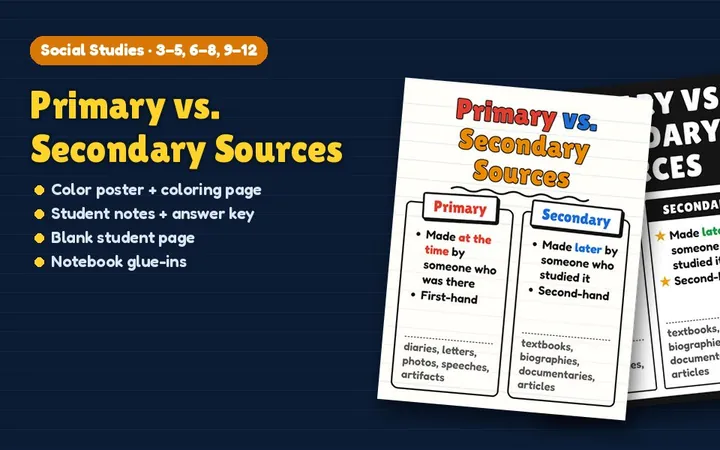
Letters, speeches, photographs and newspaper clippings give students a direct look at history. Ask: Who made this? When? For what audience? What does it show, and what does it leave out? Sorting primary and secondary sources is a quick warm-up.
Study a speech
Choose a speech by a woman leader and analyze the rhetorical appeals. Students mark ethos, pathos and logos, then explain how the speaker connects with her audience. Compare two speeches from different eras to see how the issues and the language changed.
Research profiles
Each student researches a woman who interests them and creates a one-page profile: background, a challenge she faced, what she accomplished and why it matters today, with sources cited. Post them as a gallery walk and have students leave comments with evidence-based questions.
Argument writing
Students argue who should be on a new coin, stamp or school building name, with a claim, reasons, evidence from their research and a counterclaim. This turns research into a real writing task.
The resources below include anchor charts for text structures, primary vs. secondary sources, text evidence and rhetorical appeals, plus graphic organizers that work with any text.
Questions teachers ask
When is Women's History Month?
Women's History Month is celebrated in March in the United States.
How do I teach Women's History Month in ELA?
Use short nonfiction articles, primary sources and speeches to practice central idea, text structure, rhetorical analysis and research, then finish with an argument or research writing task.
How do I avoid repeating the same few names?
Let students choose women from fields they care about, such as sports, science, music, technology or their own community, and share their research in a gallery walk.



Comments
Questions, tweaks that worked in your room, ideas for other teachers: share them here.
Loading comments...