
Earth Day Activities for 3rd to 8th Grade That Build Real Skills
 Andy Navarro · Seasonal & Holiday · · 2 min read
Earth Day activities for grades 3 to 8 that teach science, reading and writing: ecosystem lessons, waste audits with data, nonfiction research, persuasive letters and hands-on projects.
Earth Day, on April 22, has been celebrated since 1970. It falls right when spring testing is wrapping up and students are ready for something hands-on. The best Earth Day activities aren't just crafts. They use science, data, reading and writing to explore real environmental questions.
Science: living and nonliving parts of ecosystems
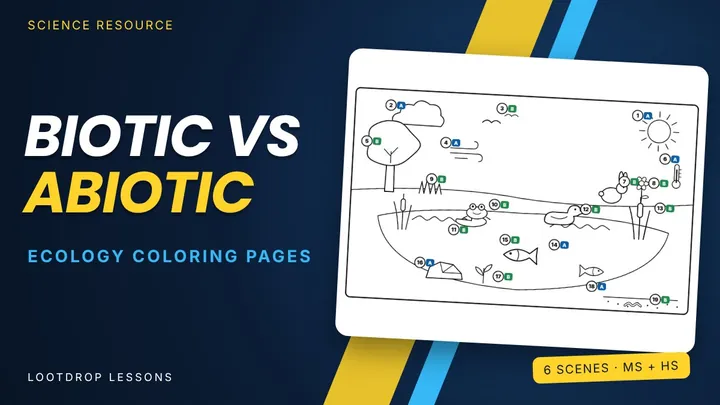
Start with how ecosystems work. Students identify biotic (living) and abiotic (nonliving) factors in a local habitat, like a park, pond or schoolyard. Then ask: what happens to the living things if one nonliving factor changes, like water or temperature? It's a natural lead-in to cause and effect.
Data: a classroom waste audit
For one day, collect (clean) classroom trash and sort it into categories: paper, plastic, food, other. Weigh or count each category, make a graph and calculate what fraction or percent of the waste could be recycled or composted. Then students propose one change and measure again a week later. Real data about their own habits makes the lesson personal.
Reading: nonfiction about environmental topics
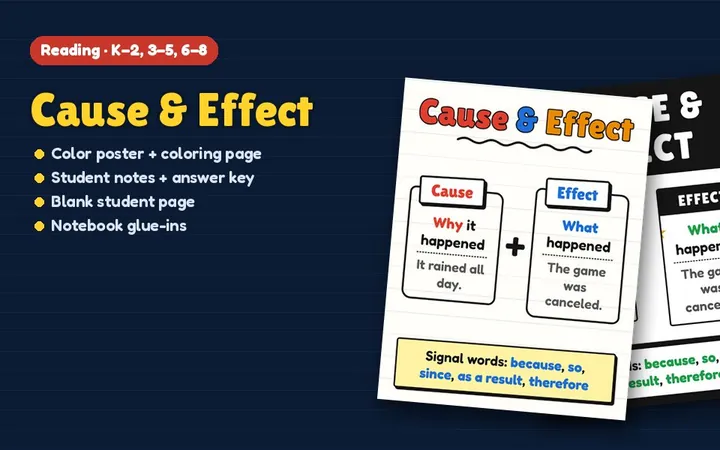
Short articles about recycling, endangered animals, renewable energy or ocean plastic give students practice with main idea, text structure and author's purpose. Problem and solution and cause and effect structures show up constantly in environmental writing, so it's a great time to review them.
Writing: persuasive letters
Students write a persuasive letter to the principal, a local leader or the school board about an environmental change they want: more recycling bins, a school garden, less paper use. They need a clear claim, reasons, evidence (their audit data works well) and a respectful tone. Sending the best letters for real raises the stakes.
Research project: an Earth-themed magazine
Students choose an environmental topic and write short articles using different text structures: a description of a habitat, a compare and contrast of two energy sources, the sequence of how plastic reaches the ocean, a problem and solution about pollution and a cause and effect about climate. Add text features and the project becomes a showcase of nonfiction skills.
Hands-on projects
- Plant something. Seeds in cups, a class garden or a tree planting lets students observe growth over weeks.
- Upcycle challenge. Students design something useful from materials that would be thrown away and explain their design.
- Schoolyard cleanup. Pair it with data: count and sort what you collect.
Keep it hopeful
Environmental topics can feel overwhelming. Balance problems with solutions and stories of people making a difference. Students should leave feeling they can do something.
The resources below include a biotic and abiotic factors ecology lesson, a free nonfiction magazine project and anchor charts for cause and effect and argument writing.
Questions teachers ask
When is Earth Day?
Earth Day is celebrated every year on April 22. The first Earth Day was held in 1970.
What are good Earth Day activities for middle school?
Ecosystem lessons, a classroom waste audit with data analysis, nonfiction research projects and persuasive letters about real environmental changes all work well for grades 6 to 8.
How can I connect Earth Day to reading and writing?
Use environmental nonfiction to practice text structures like problem and solution and cause and effect, and have students write persuasive letters or research-based articles.



Comments
Questions, tweaks that worked in your room, ideas for other teachers: share them here.
Loading comments...