

Valentine's Day Activities for Elementary That Still Teach (K–5)
 Andy Navarro · Seasonal & Holiday · · 2 min read
Valentine's Day classroom activities for K–5 that practice real skills: kindness writing, candy heart math, friendly letters, graphing and SEL ideas that keep the day calm and meaningful.
Valentine's Day in an elementary classroom can go two ways: a sugar-fueled afternoon nobody remembers, or a day built around kindness and real learning that still feels like a celebration. With a little planning, you get the second one.
Make it about kindness
Valentine's Day is a natural time to talk about how we treat each other. Read a picture book about friendship or kindness, then have students brainstorm ways to show kindness that don't cost anything: holding the door, including someone at recess, writing a thank-you note. Build a class "kindness chain" where each link is a kind act a student noticed.
Writing activities
- Friendly letters. Students write a letter to a classmate, family member or school worker (the custodian, cafeteria staff, the nurse). Teach the parts of a friendly letter and deliver them for real.
- Compliment cards. Every student draws a name and writes one specific compliment. "You're nice" doesn't count. "You always help me when I'm stuck on math" does.
- Acrostic poems. Students write an acrostic for KIND, FRIEND or their own name, with each line describing a positive trait.
- Journal prompt. "What makes someone a good friend?" works for every grade.
Candy heart math
A small box of conversation hearts is a ready-made math lesson:
- K–1: sort hearts by color and count each group.
- 2–3: make a bar graph or pictograph of the colors and answer questions about it.
- 4–5: write each color as a fraction of the whole box, then compare fractions. Find the mean number of hearts across several boxes.
If candy isn't allowed at your school, use paper hearts in different colors. The math is the same.
Keep the party calm
- Schedule the card exchange for the last 30 minutes of the day so the morning stays focused.
- Have students make simple card holders the week before so the exchange doesn't eat up instruction time.
- Set clear expectations: a card for everyone or none at all, so nobody is left out.
Connect it to social-emotional learning
Valentine's Day is a good moment to practice naming feelings and giving genuine compliments. Short SEL lessons on friendship, empathy and kind words fit right in, and they help long after February 14.
Remember not every student celebrates
Some families don't celebrate Valentine's Day, and some students find it stressful. Framing the day around kindness and friendship, and offering alternatives for families who opt out, keeps it inclusive.
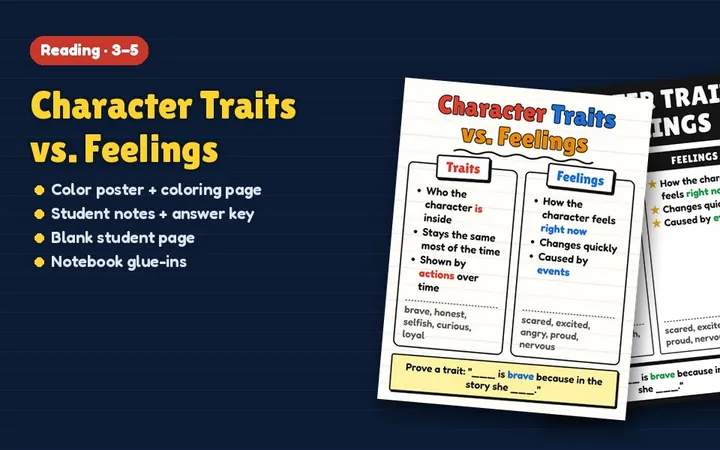
The resources below include a kindness club SEL unit for K–2, February journal prompts, a character traits and feelings anchor chart and a types of poems anchor chart.
Questions teachers ask
What are good Valentine's Day activities for the classroom?
Kindness projects, friendly letters and compliment cards, candy heart sorting and graphing, fraction activities and a short, structured card exchange all work well.
How do you do candy heart math?
Students sort the hearts in a box by color, count them, make a graph and answer questions about the data. Older students write each color as a fraction of the total and compare.
How do I keep Valentine's Day inclusive?
Focus on kindness and friendship, require cards for everyone if cards are exchanged, offer non-candy options and give families who don't celebrate an alternative activity.



Comments
Questions, tweaks that worked in your room, ideas for other teachers: share them here.
Loading comments...